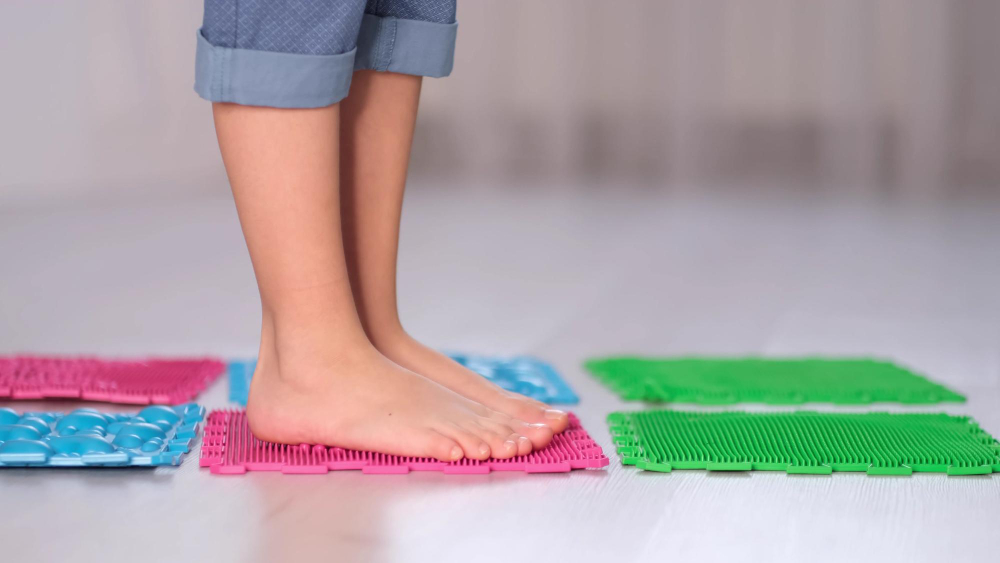
Flat Feet in Children (Pes Planus): Is It Normal? Does It Require Treatment?
Flat Feet in Children (pes planus) is a very common and usually benign condition in childhood. It is characterized by the absence of the foot arch while standing, with the arch reappearing when the child stands on tiptoes or when the foot is off the ground.
What Is Flexible Flatfoot and Why Is It Important?
Flexible flatfoot is the most frequently seen type of flatfoot in children.
Definition:
Flatfoot refers to the collapse of the medial longitudinal arch of the foot during weight-bearing.
Why “Flexible”?
In flexible flatfoot, the arch becomes visible again with passive movements such as standing on tiptoes or when the foot is gently repositioned. This form is usually painless and does not limit daily activities.
Part of Normal Development:
Flat feet are completely normal in infants and toddlers. As the bones, ligaments, and muscles of the foot mature, the arch typically develops naturally by the age of 8–10. In most cases, no treatment is required, and parents do not need to worry.
When Should a Pediatric Orthopedist Be Consulted?
Although flexible flatfoot is often a normal variant, certain signs suggest the need for further evaluation by a pediatric orthopedic specialist:
- Persistent foot, ankle, or lower leg pain that interferes with daily activities or sports
- Absence of arch formation even when standing on tiptoes (suggesting rigid flatfoot), which may be associated with underlying bone conditions such as tarsal coalition
- Difficulty running, frequent fatigue, or altered walking pattern
- Asymmetry, such as flatfoot affecting only one foot
- Excessive or uneven wear on the inner side of shoes
Diagnosis and Evaluation
Diagnosis usually begins with a detailed physical examination.
- Clinical Examination:
The child’s standing posture, gait, and ability to form an arch during tiptoe standing are assessed. Heel alignment (hindfoot valgus) is also evaluated.
- Imaging Studies:
If rigid flatfoot is suspected or if the child has significant pain, X-rays or other imaging methods may be requested to assess the underlying bone structure.
Treatment Options for Flat Feet in Children
Treatment depends on the child’s age, symptoms, and clinical findings.
- Observation and Supportive Footwear:
In painless flexible flatfoot, no specific treatment is usually necessary. Comfortable, well-fitting athletic shoes are generally sufficient.
- Custom Orthoses (Insoles):
For children with significant pain, abnormal gait, or pronounced ankle valgus, custom-made shoe inserts may be recommended. These orthoses do not “create” an arch but help improve foot and lower limb alignment and reduce discomfort.
- Surgical Treatment:
Surgery is rarely needed. It may be considered only in severe, painful cases of rigid flatfoot or flexible flatfoot that does not respond to conservative treatment.
A Note for Parents
Early assessment and appropriate guidance play a key role in a child’s long-term mobility and quality of life. If you have concerns about your child’s foot posture or walking pattern, a pediatric orthopedic evaluation can provide reassurance and, if needed, timely intervention.
Pediatric Orthopedic Care for Flat Feet in Ankara
At our pediatric orthopedics clinic in Ankara, children with foot and lower limb problems are evaluated using evidence-based diagnostic and treatment approaches. Each child is assessed individually, considering age, activity level, and growth potential.
For detailed information about the diagnosis and treatment of flat feet in children, you can contact our clinic.

 ENGLISH
  TÜRKÇE